
No products in the cart.
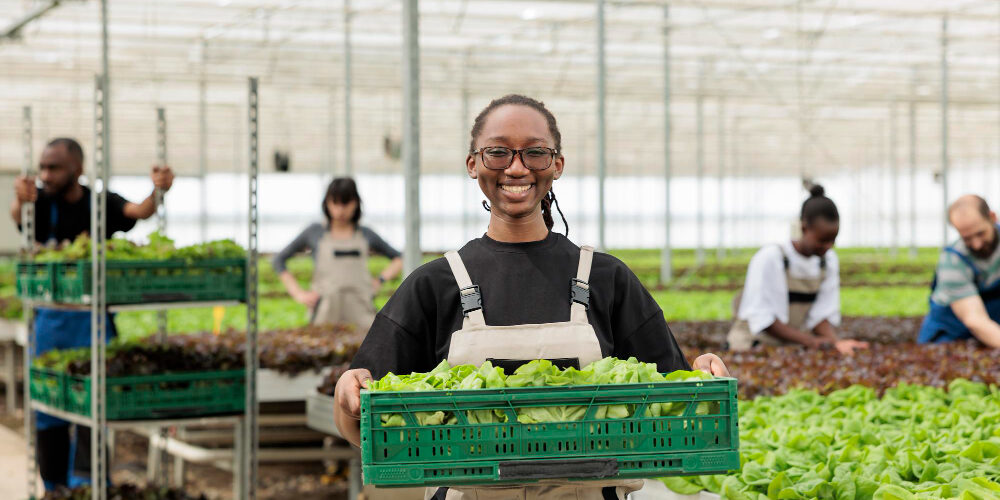
Nigeria’s vibrant agricultural sector presents a compelling opportunity for entrepreneurs seeking to leverage technology for growth. The burgeoning e-commerce market, coupled with the country’s vast agricultural output, creates fertile ground for innovative agro-ecommerce ventures. This article explores how to launch a successful online platform connecting farmers and consumers with minimal initial capital.
-Introduction: Harnessing Technology for Agricultural Growth-
Nigeria’s agricultural landscape is rich in potential, but often faces challenges in efficient distribution and market access. This is where agro-ecommerce platforms step in. By creating online marketplaces, these platforms connect farmers directly with consumers, bypassing intermediaries and streamlining the supply chain. This article will guide aspiring entrepreneurs on establishing such a platform with limited financial resources, emphasizing cost-effective strategies and sustainable growth models.
-1. Defining Your Niche and Target Market:-
Before diving into the technical aspects, defining a specific niche is crucial. Focusing on a particular agricultural product or region can significantly reduce competition and attract a focused customer base. For example, instead of a general agricultural platform, consider specializing in organic produce from a specific region, or in supplying specific livestock breeds. Understanding your target market—urban consumers seeking fresh produce, or small-scale farmers looking for wider market access—is equally vital. Market research, including online surveys and informal discussions with potential customers, can provide valuable insights.
-2. Building a Scalable Website on a Budget:-
Creating a user-friendly and functional website is paramount. Avoid costly custom development; leverage readily available, affordable platforms like WordPress with specialized plugins for e-commerce. These platforms often offer templates and themes tailored to specific industries, simplifying the design process and reducing development costs. Focus on mobile responsiveness, ensuring seamless access across different devices. Secure payment gateways are essential, and consider partnering with existing payment processors in Nigeria to streamline transactions.
-3. Sourcing and Managing Products Effectively:-
Establishing reliable partnerships with local farmers is critical. A transparent and fair pricing model is essential to foster trust. Develop a system for product verification and quality control, ensuring that the products meet consumer expectations. This could involve partnering with farmer cooperatives or establishing a network of trusted suppliers. Consider implementing a system for real-time inventory updates to avoid stockouts and ensure timely delivery.
-4. Marketing and Customer Acquisition Strategies:-
Building an online presence requires a strategic marketing approach. Leverage social media platforms like Facebook, Instagram, and WhatsApp to reach potential customers. Run targeted ads, engage in community building, and showcase the quality and freshness of your products. Partnering with local influencers or community groups can significantly amplify your reach. Offering competitive pricing, attractive promotions, and excellent customer service are key to attracting and retaining customers. Consider participating in local agricultural fairs or festivals to build brand awareness.
-5. Logistics and Delivery Optimization:-
Efficient delivery is crucial for customer satisfaction. Collaborate with local delivery services or explore partnerships with existing courier companies. Developing a transparent and reliable delivery system is essential to maintain trust and ensure timely product receipt. Consider optimizing delivery routes and using technology to track orders, providing real-time updates to customers. Explore possibilities for same-day or next-day delivery to enhance customer experience.
-6. Legal and Regulatory Compliance:-
Navigating Nigerian regulations is important for any business. Ensure your platform complies with relevant food safety and agricultural regulations. Understanding tax implications and obtaining necessary licenses and permits is crucial. Seek guidance from legal professionals specializing in e-commerce and agriculture to ensure compliance.
-7. Financial Management and Funding:-
Starting an agro-ecommerce platform requires careful financial planning. Explore micro-loans or crowdfunding options available in Nigeria to secure initial capital. Track expenses meticulously and maintain accurate financial records. Consider partnering with investors or seeking angel investors to scale your operations. Focus on generating revenue and achieving profitability to attract future investment.
-8. Building a Strong Customer Support System:-
Responsive customer support is essential for building trust and loyalty. Establish clear communication channels, such as email, phone, and social media, to address customer queries and concerns promptly. Train your customer service representatives to handle complaints professionally and efficiently. Collecting customer feedback and using it to improve your platform is vital for long-term success.
-Case Study: “Ojaa Nigeria”-
Ojaa, a successful agro-ecommerce platform in Nigeria, started small by focusing on organic produce from a specific region. They leveraged social media marketing effectively, built strong relationships with farmers, and implemented an efficient delivery system. Their focus on quality and customer service helped them gain a loyal customer base and attract further investment.
-Conclusion: Cultivating Success in the Agro-Ecommerce Landscape-
Launching an agro-ecommerce site in Nigeria with limited funds is achievable through careful planning, strategic partnerships, and a customer-centric approach. By focusing on niche markets, leveraging affordable technology, and building a robust logistics network, entrepreneurs can cultivate a sustainable and profitable business in this growing sector. Continuous adaptation to market trends and customer feedback will be crucial for long-term success. The Nigerian agricultural sector offers significant potential, and an innovative agro-ecommerce platform can play a vital role in connecting farmers and consumers, driving economic growth, and improving food security.