No products in the cart.
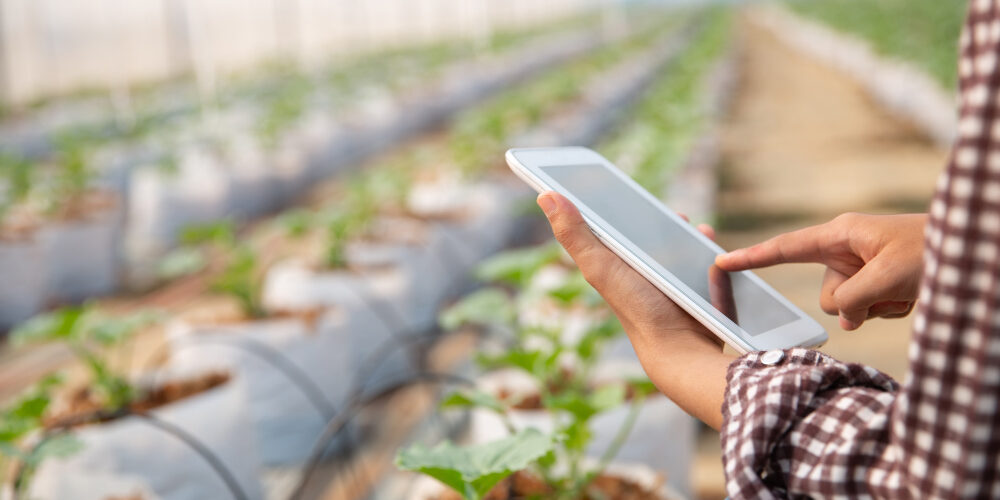
Nigeria, a nation steeped in agricultural tradition, is experiencing a remarkable transformation in its agro-commerce sector. This burgeoning industry, once largely reliant on traditional methods, is being propelled by a powerful force: mobile phones. This article delves into the multifaceted role mobile phones play in this agricultural revolution, exploring how they are bridging gaps, fostering connections, and ultimately boosting the nation’s agricultural economy.
Connecting Farmers to Markets: A New Era of Accessibility
Traditional agricultural practices often faced significant challenges in connecting farmers directly with buyers. Information asymmetry, limited market access, and logistical hurdles were common obstacles. Mobile phones, however, have dramatically altered this landscape. SMS, social media platforms, and mobile money applications are now vital tools for disseminating information about market prices, agricultural techniques, and weather patterns.
Farmers can now receive real-time updates on commodity prices, enabling them to make informed decisions about when and what to sell. This transparency is crucial, particularly in a country where market fluctuations can significantly impact farmers’ incomes. Furthermore, mobile applications facilitate direct communication with buyers, eliminating intermediaries and potentially increasing profit margins for farmers.
Facilitating Trade and Transactions: Mobile Money’s Impact
The introduction of mobile money platforms has been a game-changer for agro-commerce in Nigeria. These platforms, accessible through simple mobile phone interfaces, allow farmers to receive payments for their produce directly, eliminating the need for cumbersome cash transactions and reducing the risk of financial losses.
Imagine a farmer in rural Oyo State selling a truckload of tomatoes. With mobile money, the farmer can receive payment in real-time, avoiding the risks associated with carrying large sums of cash. This immediate access to funds allows farmers to reinvest in their farms, purchase inputs, and improve their overall productivity. Platforms like Airtel Money, MTN Mobile Money, and others have become integral to the transaction process, promoting efficiency and security.
Enhancing Agricultural Productivity: Information and Knowledge Sharing
Mobile phones are not just transaction tools; they are also powerful educational resources. Farmers can access agricultural information, including best practices, crop management techniques, and pest control strategies, through various mobile applications and online platforms. This access to knowledge is crucial for improving yields and reducing losses.
For instance, agricultural extension services are increasingly leveraging mobile platforms to connect with farmers, delivering tailored advice and support. Farmers can now participate in virtual training sessions, watch educational videos, and connect with other farmers and agricultural experts, all through their mobile devices. This knowledge-sharing network fosters a collective learning environment, promoting agricultural innovation and improvement
Addressing Challenges and Ensuring Sustainability
While mobile phones have undoubtedly revolutionized agro-commerce, challenges remain. Digital literacy and access to reliable mobile network coverage are critical factors that can impact the effectiveness of these platforms. In areas with limited connectivity, the full potential of mobile-based solutions may not be realized.
Furthermore, ensuring equitable access to these technologies is crucial. Efforts to bridge the digital divide and promote digital literacy among farmers, particularly in marginalized communities, are essential for sustainable growth. Government initiatives and private sector partnerships play a vital role in addressing these challenges.
Case Studies: Illustrating the Impact
Numerous examples demonstrate the transformative power of mobile phones in Nigerian agro-commerce. One notable case involves a group of cassava farmers in Anambra state who used a mobile-based platform to connect with processing factories directly. This direct connection eliminated middlemen, allowing the farmers to receive better prices for their produce.
Another example highlights the role of mobile money in facilitating the purchase of agricultural inputs. Farmers can now access loans and purchase fertilizer or seeds through mobile platforms, reducing reliance on traditional lending institutions and improving access to essential resources.
Conclusion: A Bright Future for Nigerian Agro-Commerce
Mobile phones are not merely tools; they are catalysts for change in Nigeria’s agro-commerce sector. By connecting farmers to markets, facilitating transactions, enhancing productivity, and fostering knowledge sharing, mobile technology is driving a significant transformation in the agricultural landscape.
The integration of mobile phones into agricultural practices is creating a more efficient, transparent, and profitable system. While challenges remain, the potential for continued growth and development is immense. As digital literacy improves and connectivity expands, mobile technology will undoubtedly play an even more crucial role in shaping the future of Nigerian agro-commerce, contributing to the nation’s economic prosperity and food security. The agricultural revolution is underway, and mobile phones are at its heart.